
The air is hot and humid. The sunlight filters through the trees as the black flies swarm around you. It’s late June or early July, the perfect time to harvest wiigwsas (birch bark). Deep in the woods, this valuable natural resource is the first ingredient needed when making quillwork.
With the point of a knife, I strike a line and cut into the bark. From as high as I can reach, down to the forest floor, a single incision is made. Not very deep, maybe only a quarter-inch or so, the bark starts to peel and split from the tree, and in one large sheet, the fresh birch bark is removed. Once off the tree, the bark is tightly rolled and bound with rope, ready to be carried home to be worked with. Semaa (tobacco) is offered to the birch tree, thanking it for its use of bark and paying respects before the harvest.
Quillwork (gaawayikaajgan), as found in our Anishinaabeg territories of Southern Ontario, involves the placement, or embedding, of porcupine (gaag) quills (gaaway) in birch bark (wiigwaas). The quills can be arranged in numerous patterns and designs, from simple lines to advanced shapes such as flowers or animals.
Finding bark is the easier task of the two when it comes to raw materials; the quills, on the other hand, are another story entirely. The North American porcupine is the second-largest rodent on the continent and the only one covered with sharp quills. The average adult porcupine has around 30,000 quills covering its entire body, except for its underbelly, face, and feet. The quills themselves are sharp, barbed, and hollow, perfectly adapted for self-defense and insulation in the colder months.
While sharp and menacing, the quills are also a resource and have a hidden beauty waiting to be unlocked. The majority of the quills I use come from roadkill. Porcupines are, unfortunately, hit far too often; they are casualties of increased development and vehicle traffic in their habitats.
Much like the bark, semaa is offered when harvesting quills. We thank the porcupine and honor its spirit, ensuring its quills will be used so it may live on in the art created with them.
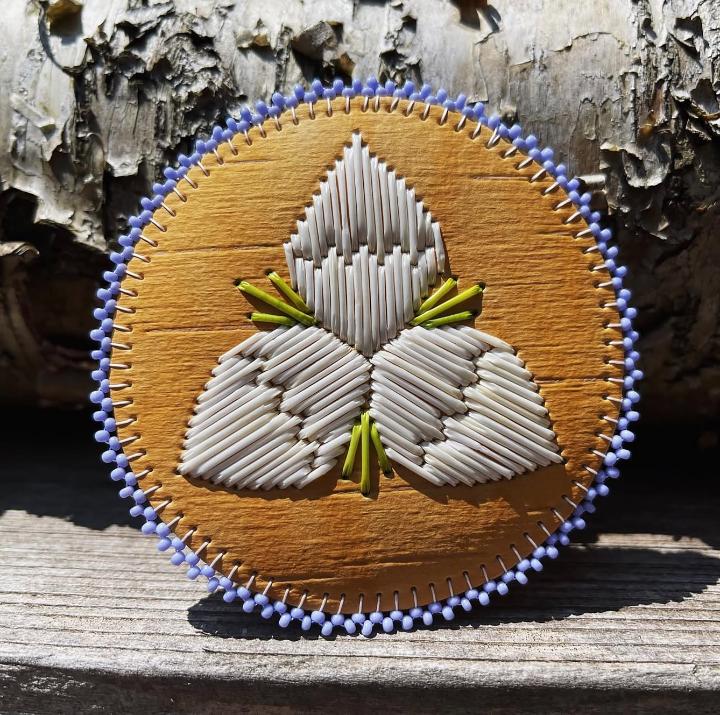
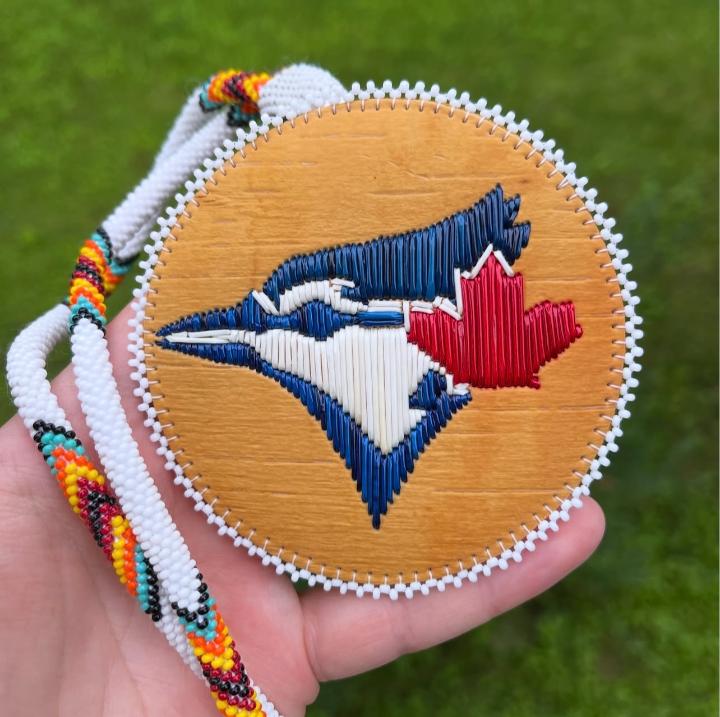
I keep the necessary tools in my car to harvest quills from the roadside: gloves, pliers, bags, and a box, ready if needed to transport the porcupine to a safe location. The quills do not come out easily; a bit of force is required to pull them from the hide. Along with the quills, the porcupine is covered in hair, which must be separated from the quills before they can be worked with.
Once you have harvested the quills, you need to clean them. They carry oils and dirt, so a good soak and rinse in warm, soapy water cleans them for use. An additional step includes the dyeing of the quills. While natural quills are white with a black tip, you can dye them every color of the rainbow.
It can take days, or even weeks, just to gather and prepare the materials. This is the part of the craft I don’t think many realize: the hours in the bush, the harvesting and cleaning, and the immense effort needed before you can even think to sit down and start creating.
The history of quillwork in my community, the Chippewas of Rama First Nation, is a long and storied one. Many grandmothers and great-grandmothers quilled and made their income from the items they created. My grandmother, Lila Ingersoll, was one of those people.
My mother would tell me stories of sitting in the living room while they worked, quills in their mouths, busy hands working on quill box lids. She remembers being told as a child to watch her step and to stay still: “They’ll bite you if you’re not careful,” they would say.
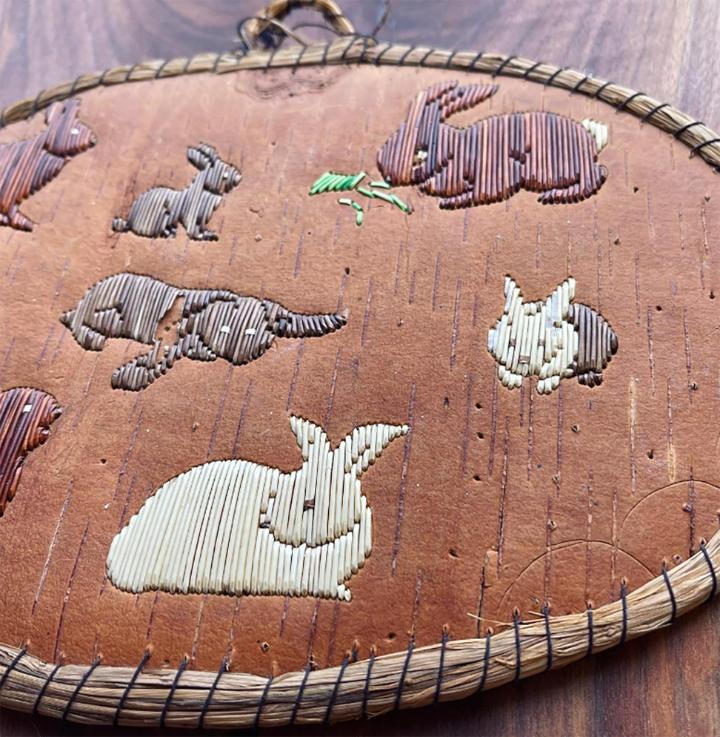
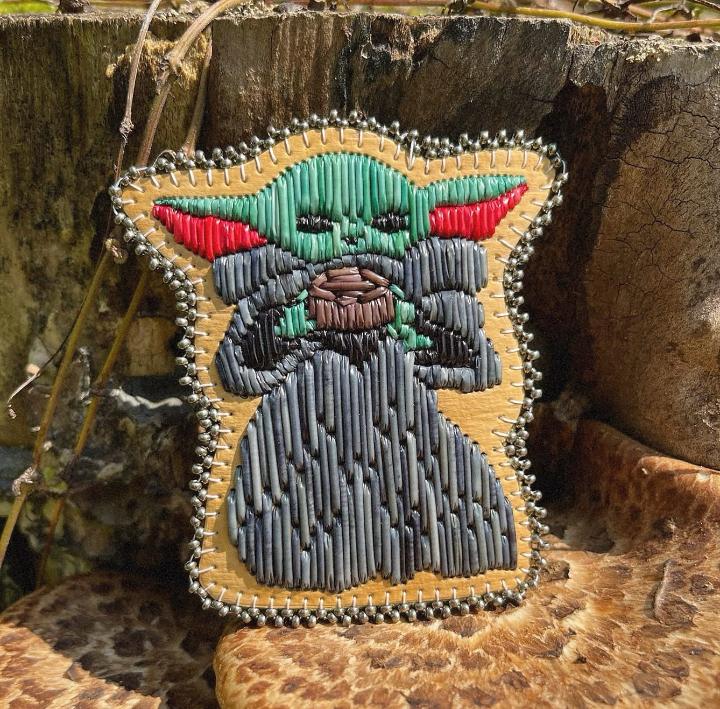
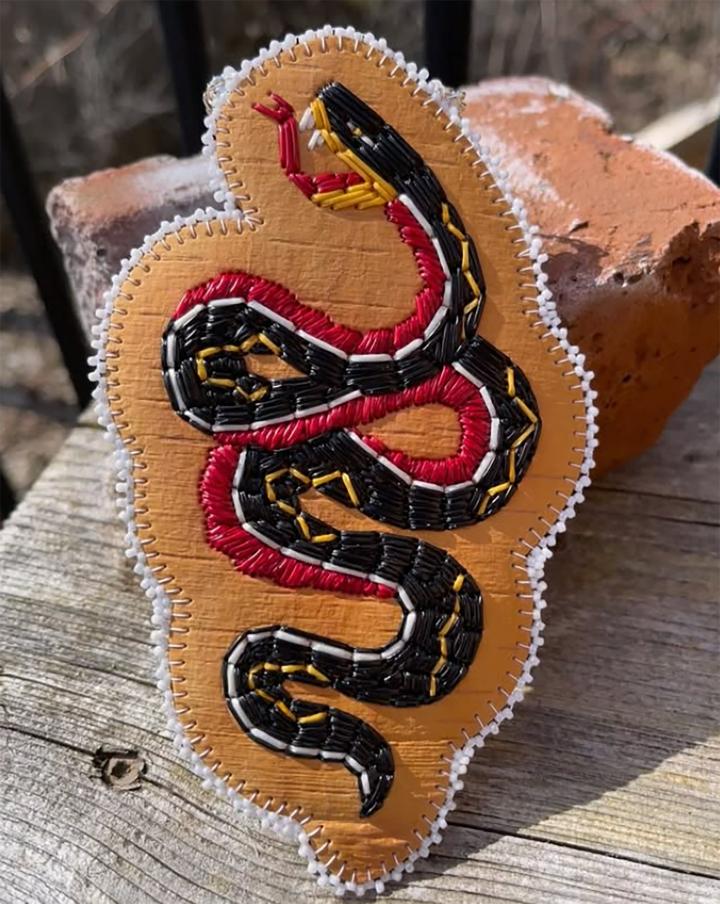
Over time, the art of quillwork has diminished within our community. Much of the trauma and harm done to my ancestors, and Indigenous peoples as a whole, has contributed to this. To date, there are only a handful of people left in the community who still actively quill.
I never had the chance to meet my grandmother; she passed when my mother was a young adult. But it is through this connection to quillwork that I find myself closer to her. Community is important; it’s how stories and teachings are shared and passed down from one generation to another. It is my hope that by using modern technology and social media, I am creating digital resources so that others may learn from my experience and continue to carry on this important and culturally significant art form.
———————
Dillon Bickell is a local quillwork artist from Rama First Nation. Instagram: @QuillinByDillon

